A simple guide to spoken word poetry: where it comes from, how it differs from page poetry, where to find it in the UK and how to start.
Spoken word is poetry written to be heard. It comes alive in the voice of the person performing it. You might hear it at an open mic night, at a festival, in church or in a video on your phone.
If you have ever been moved by a poem performed out loud and wondered what to call it, this guide is for you.
A simple definition
The Poetry Society’s Young Poets Network describes spoken word as “a kind of modern version of oral poetry” (Young Poets Network). Its guide says spoken word focuses on how words sound even more than written poetry does, and often pays less attention to how a poem looks on the page.
In spoken word, the performance is part of the poem. The same guide compares it to the way the layout of a page poem is part of that poem.
Old roots
Poetry was spoken long before it was written down. The Young Poets Network guide explains that people memorised poems by hearing them and passed them on by speaking them aloud. Repetition often helped them remember.
The Bible is full of poetry that was meant to be spoken or sung. The Psalms were Israel’s songs and prayers. Psalm 45 opens with a writer about to perform his work:
“My heart is overflowing with a good theme; I recite my composition concerning the King” (Psalm 45:1, NKJV)
Spoken word and page poetry
The line between the two is blurry. The Young Poets Network guide notes that spoken word poets publish books, and that page poets care about sound and performance too.
In general, though, spoken word tends to:
- Use everyday language that is easy to follow on a single hearing
- Lean on rhythm and repetition
- Tell personal stories or speak about real issues
- Use the voice and body, including pace, pauses, volume and gesture
Some spoken word poems rhyme all the way through. Others hardly rhyme at all.
Poetry nights and slams
Spoken word is often performed at poetry nights and open mics. It also appears at slams, which are poetry competitions.
The Poetry Society ran a national youth slam called SLAMbassadors for 13 to 18 year olds between 2001 and 2018 (Poetry Society). The competition is now closed, and its page is kept as an archive.
Where to find spoken word in the UK
- Apples and Snakes calls itself the “home for performance poetry in England”. It was founded by poets in 1982 and runs live events and programmes for artists (Apples and Snakes).
- Young Poets Network, run by the Poetry Society, is a free online network for writers aged 25 and under, with writing challenges and guides.
- Local nights. Search online for spoken word or open mic nights near you.
- Online. You can find spoken word performances on YouTube and social media, which makes it easy to hear lots of different styles.
What makes a spoken word piece work
The Young Poets Network guide stresses emotional impact. An audience may only hear a poem once, and even if they forget the exact words, the guide says “they will remember how you made them feel”.
It also warns against simply announcing your feelings. It encourages writers to use images and metaphors so the audience can feel the poem for themselves. Repetition and the order of ideas matter too, because they help a listener follow along.
Spoken word and faith
Spoken word suits faith well. It is personal and it is meant to be shared. A spoken word piece can work like a psalm, as a prayer or a testimony spoken out loud.
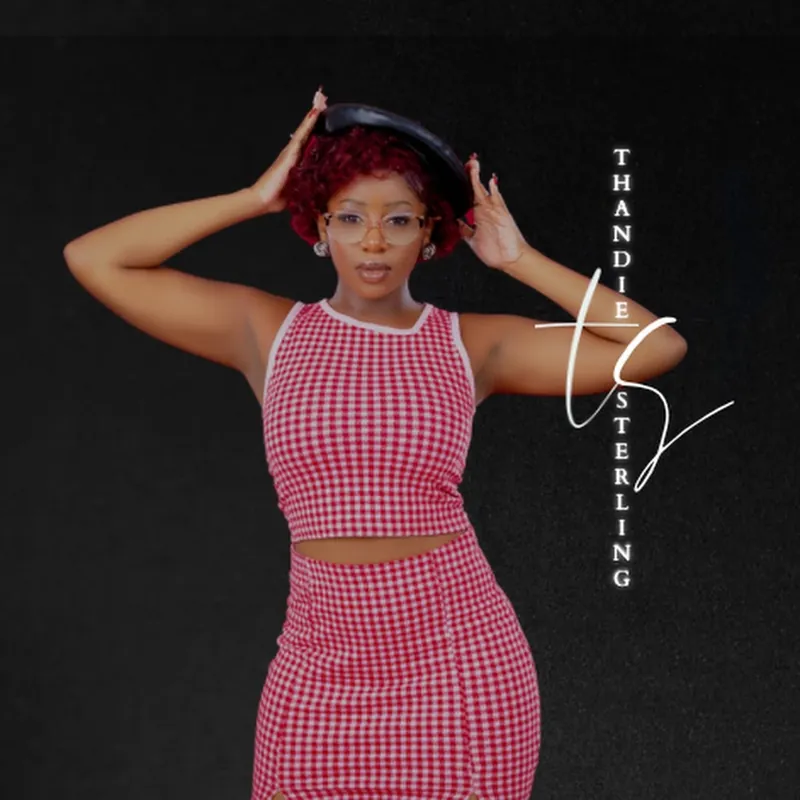
In February 2026, Thandie released a spoken word film on YouTube, “That I May Know You / As The Deer Ft Lavern”. The poem was written by Thandie Sterling, with “As the Deer” sung by Lavern Chirima and keys by Tinashe. It is about knowing God, and you can watch it on the watch page.
The words “As the deer” open Psalm 42: “As the deer pants for the water brooks, So pants my soul for You, O God” (Psalm 42:1, NKJV). Read more in As the deer: what Psalm 42 means and knowing about God vs knowing God.
Thandie’s TikTok also includes a 30-day spoken word series, a poem a day, which finished with “We made it 30/30”. If you would like to try something similar, read how to do a 30-day poem-a-day challenge.
How to start
- Listen widely. Watch performances online, and go to a live night if you can.
- Write something true. Start with an experience or a question you care about.
- Read it out loud. You will hear what works and where you trip up.
- Record yourself. The Young Poets Network guide suggests trying different styles and watching yourself back until it feels right.
- Share it. Start small, with one friend or a small group, before you try an open mic.
Our step-by-step guide, how to write a spoken word poem about your faith, goes further. If nerves are stopping you, read Christian creatives: using your gifts without hiding them.
Hear more of Thandie’s storytelling on Tea Time With Thandie.
Scripture taken from the New King James Version®. Copyright © 1982 by Thomas Nelson. Used by permission. All rights reserved.